



Highlights
Authentic Data Collection: Participants share unbiased experiences through photos and videos in real-time.
Longitudinal Reach: Researchers can track consumer behavior over days or weeks rather than during a single session.
Global Accessibility: Remote tools eliminate travel costs and allow for diverse participant recruitment from any location.
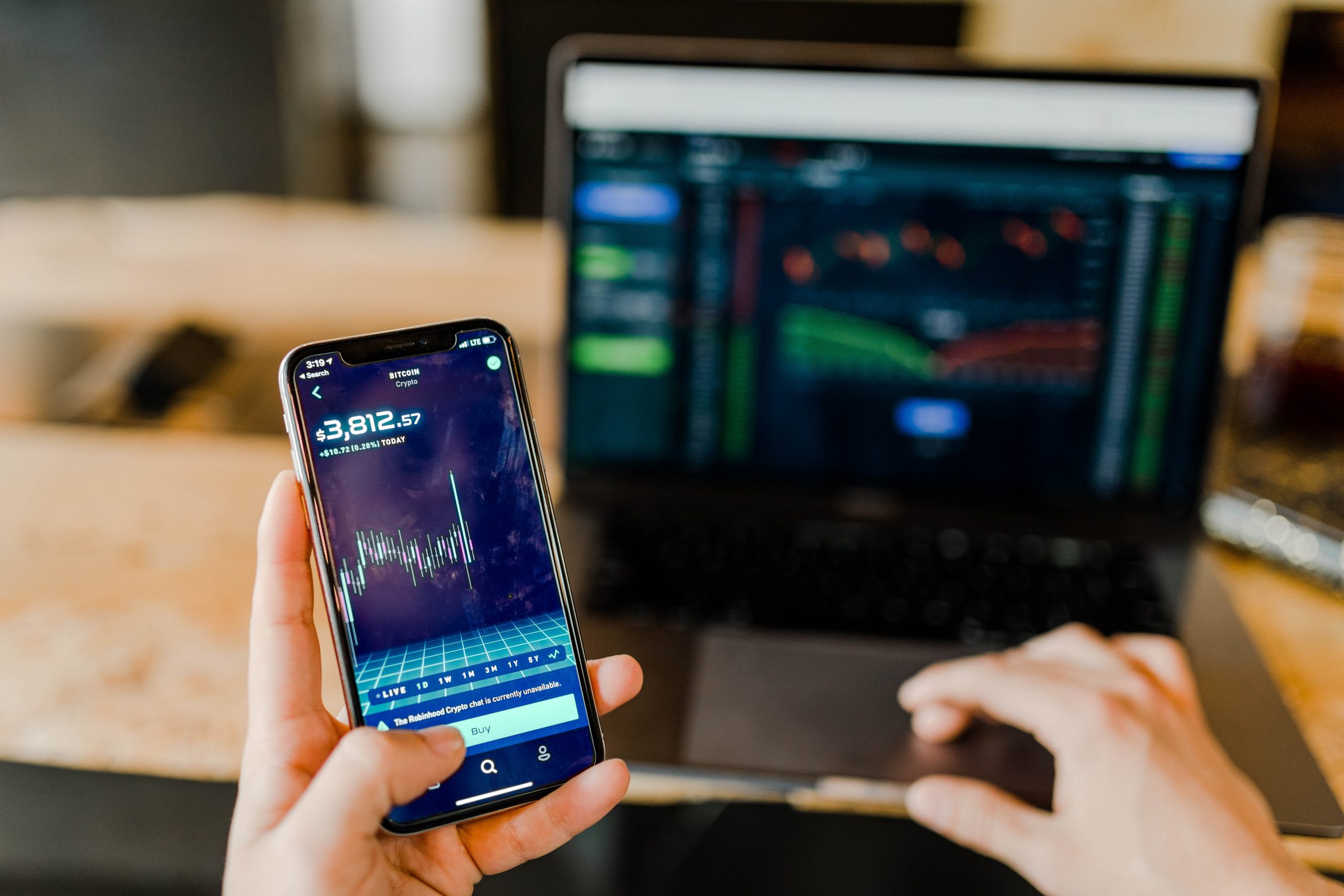
Mobile ethnography allows researchers to observe participants in their natural environments. Unlike traditional focus groups, this method uses smartphones to record real-life moments as they happen. It provides a direct window into how people interact with products and services in their daily routines.
The Shift Toward Mobile Qualitative Research
Traditional research methods often rely on participant memory, which can be inaccurate. Mobile ethnography solves this by capturing "in-the-moment" data. According to 2024 industry reports, mobile research methods now account for over 50% of qualitative data collection as brands seek deeper consumer connections.
Core Benefits of Mobile Ethnography
Using mobile devices for qualitative research offers several strategic advantages for modern brands.
1. Contextual Understanding
When a participant records a video while using a product at home, they provide context that a laboratory setting cannot replicate. This "natural habitat" observation reveals pain points and usage patterns. Researchers use mobile ethnography tools to see exactly what the consumer sees.
2. Higher Participant Engagement
Smartphones are familiar tools. Participants feel more comfortable sharing personal thoughts via a mobile app than in a formal facility. This comfort leads to more honest feedback. A recent 2025 study found that mobile-first research designs see a 20% higher completion rate compared to traditional desktop surveys.
3. Immediate Media Analysis
Researchers do not have to wait for a project to end to see results. Photos, videos, and text entries are uploaded to a secure portal instantly. Teams can use transcription services to convert video entries into searchable data. This speed helps brands adjust their marketing strategies quickly.
Integrating Mobile Insights into Your Strategy
Mobile ethnography works best when combined with other methods. For example, use mobile data to inform the questions for online focus groups. You can also stream live interviews using video streaming services to follow up on specific mobile entries.
To maintain E-E-A-T standards, ensure all data is stored on secure, encrypted platforms. Professional asynchronous tools provide the security necessary for handling sensitive consumer information. Using collaborative platforms allows stakeholders to review this media and discuss findings in one central location.
FAQ: High-Intent Questions on Mobile Ethnography
- What is the difference between mobile ethnography and a mobile survey? A survey asks closed-ended questions. Mobile ethnography uses qualitative media like video and photos to show the "why" behind consumer actions.
- How do researchers ensure participant privacy? Reputable platforms use end-to-end encryption and strict data permission settings. Participants must provide informed consent before any recording begins.
- Is mobile ethnography expensive to implement? It is often more affordable than in-person ethnography because it removes travel, lodging, and facility rental costs for the research team.
- How many participants are needed for a typical study? Most mobile ethnographic studies find success with 15 to 30 participants, depending on the depth of the research goals.
 Carl Roque • March 20, 2026
 Melody Rioveros • February 4, 2026